


Internal Seminar 2025
A friendly event to explore science from a different perspective, at the heart of Chimie ParisTech
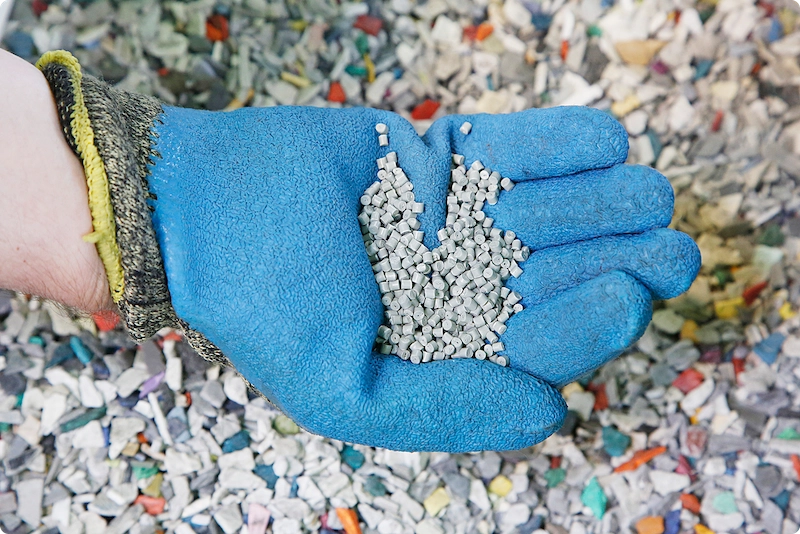
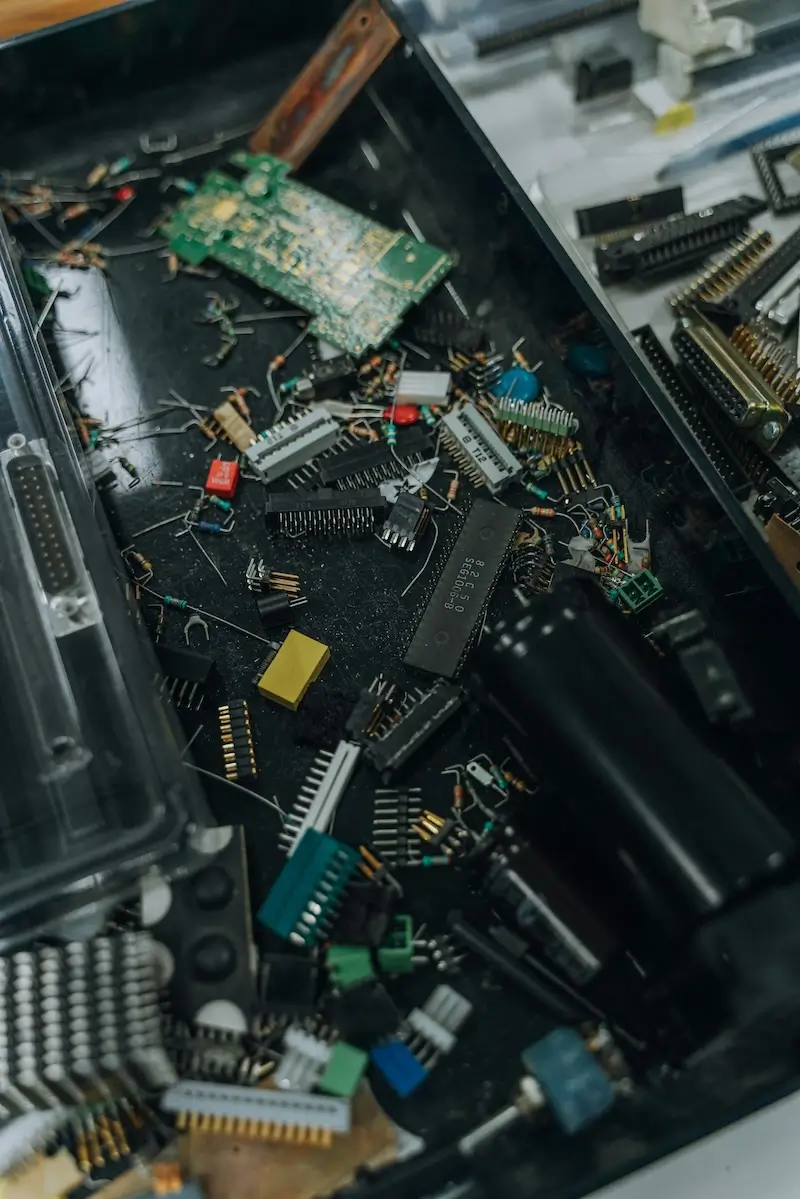
Un gisement de plastique en France et une intégration de matières plastiques recyclées minime dans les équipements électriques et électroniques.
To address environmental challenges, it is necessary to improve the circularity of plastics, meaning their ability to be reused, recycled, and reintegrated into new products. This involves not only optimizing existing recycling methods but also developing new approaches, such as reusing plastics in new products, based on a 5R strategy (Reduce, Reuse, Recycle, Recover, Repair).
It is important to better adapt product design to their end-of-life, taking into account their recyclability as well as their environmental and health impacts. The goal is to design products from the outset so that they are easier to recycle or reuse, thereby reducing their ecological footprint.
The Urban Mines Chair aims to broaden its vision beyond the optimization of sorting and recycling technologies to adopt a circular economy approach. It seeks to promote: product design that considers from the outset their second life cycle (recycling, reuse); improved quality of recycled plastics so they can be better reintegrated into production; and the development of the circular economy by facilitating access to resources to improve plastic reuse and recycling processes.
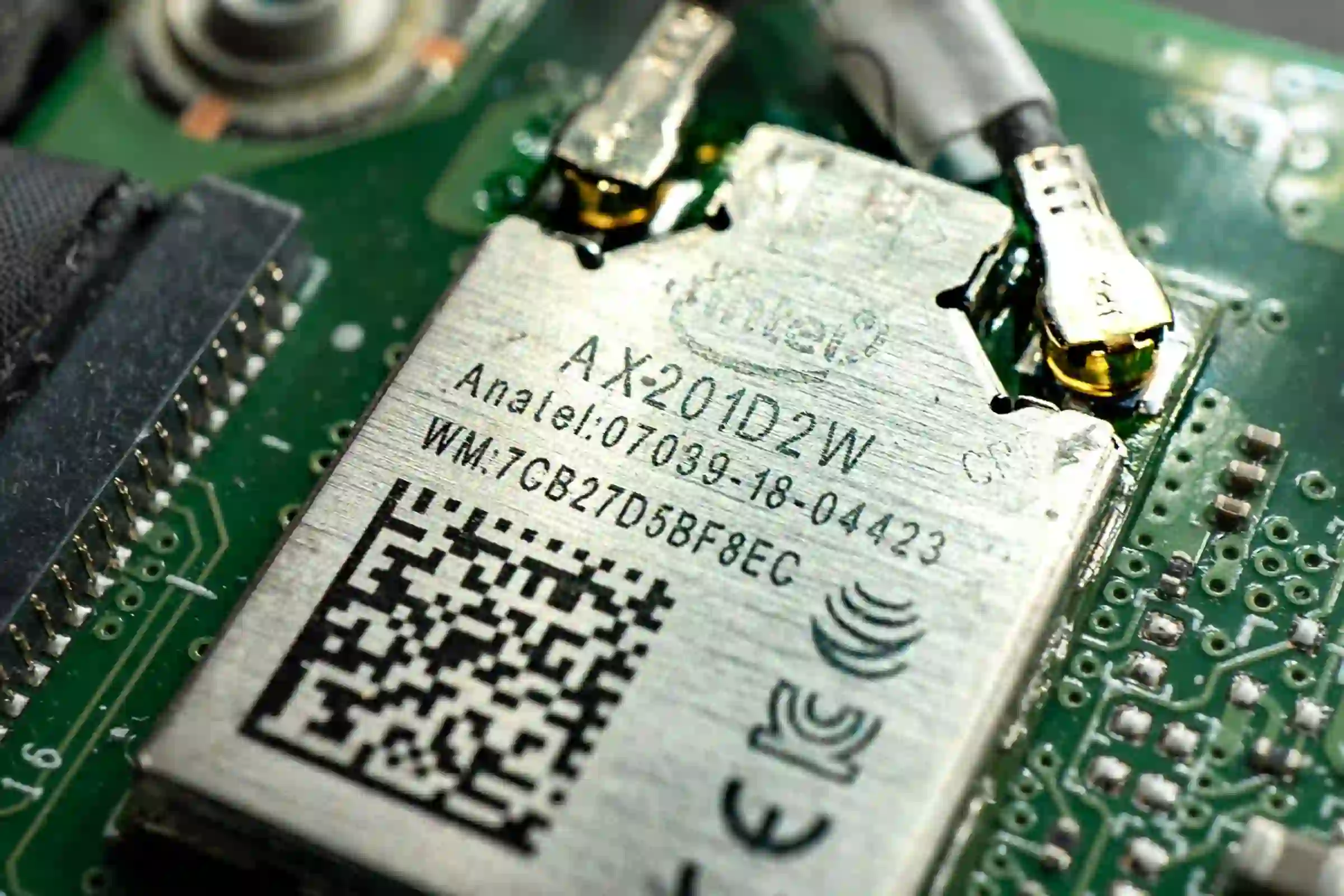
The laboratory works on developing eco-design methods and tools to reduce the environmental impact of products. This includes impacts across all stages of the product life cycle: manufacturing, use, and end-of-life.
They develop innovative processes for the sorting and recycling of materials, with a particular focus on plastics from end-of-life products. The goal is to make these materials easier to recycle and reuse.
The laboratory conducts Life Cycle Assessments (LCA) to evaluate the environmental impact of products or processes, in order to identify possible improvements.